

Welcoming the Mother on a Sacred Journey
The journey of childbirth is a profound moment. For a Muslim mother, it blends physical strength with deep spiritual meaning. You might feel a mix of excitement and nervousness. We understand. This guide from healthtolife brings together trusted medical tips and comforting Islamic practices.
Our goal is to prepare your body and soul for this special experience. We want you to feel informed and at peace. This approach helps ease fear and builds confidence.
Table of Contents
- Preparing Your Mind and Spirit: It's More Than a Hospital Bag
- Your Faith-Filled Hospital Bag: What to Pack
- Strength from the Sunnah: Nutrition and Physical Readiness
- During Labour: Blending Medical Comfort with Spiritual Solace
- The Golden Moment: Delivery and the First Islamic Steps (Tahneek)
- The Post-Natal Phase (Nifaas): Caring for Your Body and Soul
- Conclusion: Embracing Your New Chapter with Grace
- References and Further Reading
- Frequently Asked Questions
Preparing Your Mind and Spirit: It’s More Than a Hospital Bag
True preparation begins from within. Strengthen your heart with Dhikr (remembrance of Allah) and Istighfar (seeking forgiveness). These practices calm the mind and reduce stress.
The World Health Organisation (WHO) emphasises that mental well-being is crucial for a healthy delivery. Reciting the Quran regularly provides comfort and builds inner trust, forming a spiritual foundation for the journey ahead.
Your Faith-Filled Hospital Bag: What to Pack
A Muslim mother should pack for both physical comfort and spiritual support. Essential items include dates for energy, a prayer outfit, and a bottle of water for Wudhu. Don’t forget your prayer mat, a list of Duas, and some money for Sadaqah. This preparation brings peace of mind and allows you to focus on your delivery.
Pack your bag a few weeks before your due date. Include loose, comfortable clothing that respects modesty. A shawl or hijab is useful for privacy. For spiritual needs, include a small Quran or a device with a Quran app. Having money set aside for Sadaqah-e-Jariyah is a blessed act. It can be given for easy labour. Don’t forget your phone and charger to stay connected.
Strength from the Sunnah: Nutrition and Physical Readiness
Following the Sunnah of Prophet Muhammad (pbuh) provides both spiritual and physical strength.
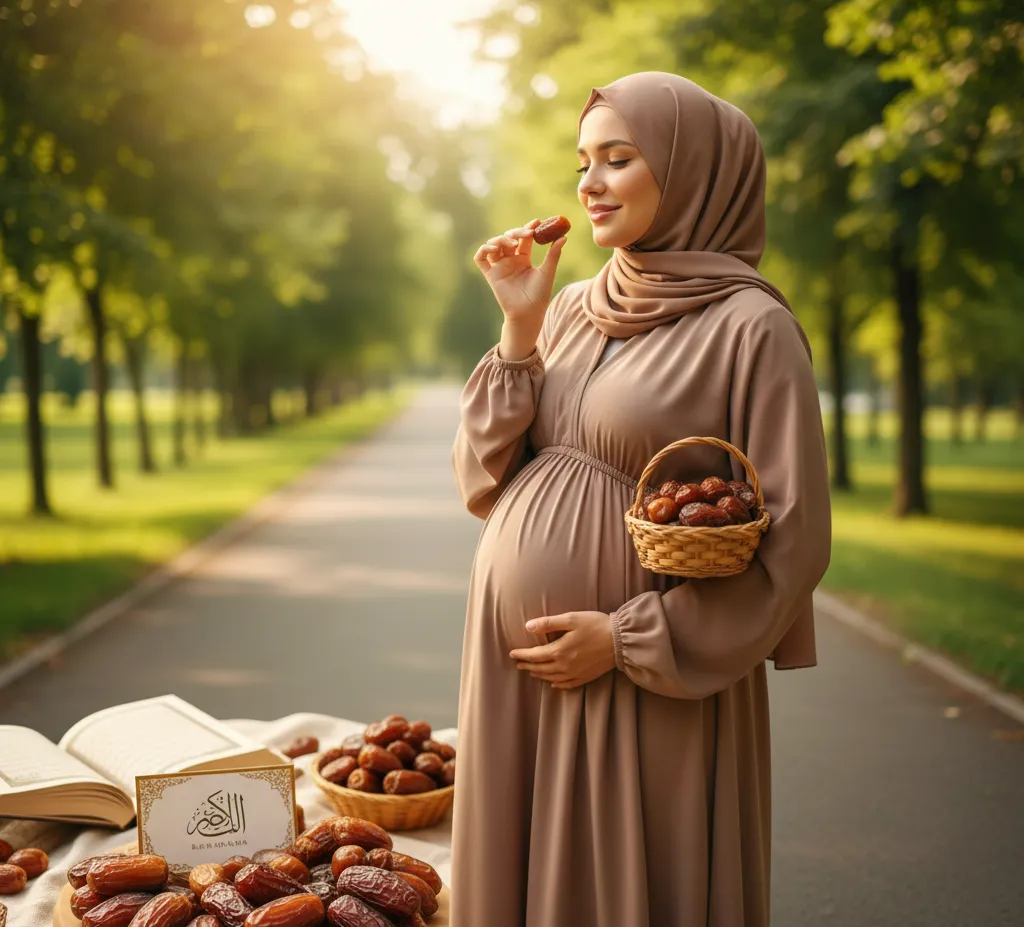
Eating Dates for Labour
- Dates are a natural source of energy and contain compounds that may help with labour.
- Consuming dates in the final weeks of pregnancy can support a smoother delivery.
- Gentle walks and staying physically active help strengthen the body for childbirth.
During Labour: Blending Medical Comfort with Spiritual Solace
Managing Labour Pain as a Muslim Mother
Labour pain can be eased by combining medical options with spiritual practices:
- Recite Duas or Dhikr during contractions.
- Practice calm, controlled breathing.
- Use Wudhu with cool water if possible.
- Discuss pain relief options openly with hospital staff.
This dual approach provides resilience, comfort, and a meaningful experience.
The Golden Moment: Delivery and the First Islamic Steps (Tahneek)
The first Islamic step is to perform Tahneek, which is gently rubbing a softened piece of date on the baby’s palate. This is a cherished Sunnah of Prophet Muhammad (pbuh). It is a beautiful spiritual welcome for your newborn and is believed to provide both blessing and strength from their very first moments.
This act is typically done by a righteous person, like the father or a knowledgeable family member. If dates are not available, something sweet can be used. Following this, the Adhan (call to prayer) should be whispered into the baby’s right ear. These traditions sanctify the birth and embed the name of Allah in the child’s heart from the very beginning.
The Post-Natal Phase (Nifaas): Caring for Your Body and Soul
The post-natal period, known as Nifaas, is a time for physical healing and spiritual connection. You will experience post-partum bleeding and are exempt from Salah. This allows you to focus on recovery and bonding with your newborn, while still engaging in Dhikr, Dua, and listening to the Quran for ongoing spiritual comfort and strength.
Your body has done incredible work. Rest is not just advised; it’s essential. This is a period of adjustment for your entire family. It’s common to feel a range of emotions. Be gentle with yourself and accept help from your community. Remember, acts of worship like giving Sadaqah on your behalf or reading the Quran for you are wonderful ways for loved ones to support you during this time.
Conclusion: Embracing Your New Chapter with Grace

You have navigated one of life’s most profound journeys. By uniting Islamic tradition with modern medical tips, you’ve built a foundation of strength. This holistic approach supports you through labour, delivery, and the post-natal days.
Remember the community around you. Your role as a Muslim mother is honoured and supported. Trust in the preparation you’ve done. For more supportive guides on your parenting journey, visit us at healthtolife. You are beginning an amazing new chapter filled with blessings.
References and Further Reading
This article is based on verified information from respected health authorities, including the World Health Organisation (WHO) and safeena.org. Every fact is carefully checked to ensure accuracy and trustworthiness.
For research-backed insights on health, disease prevention, nutrition, and wellness from an Islamic perspective, explore our Islamic Women’s Health.
Buy vitamins and supplements
At HealthToLife, our mission is simple: to provide safe, practical, and easy-to-understand health information. Your well-being is our top priority, and our team regularly reviews the latest research to ensure our content remains up-to-date.
If this article helped you, we’d love to hear your thoughts in the comments. Thank you for trusting HealthToLife as your guide to holistic health and wellness.
Related Article Link
1, Sunnah Secrets: Best Islamic Breakfasts for Kids
2, Muslim Women’s Health Secrets: First Trimester Tips at Home
Frequently Asked Questions
Ques-1: What is the 5-5-5 rule for childbirth?
Ans: The 5-5-5 rule is a postpartum recovery guideline. It suggests 5 days in bed, 5 days on the bed, and 5 days around the bed. This practice helps a new mother’s body heal by ensuring she gets significant rest and avoids overexertion immediately after delivery, which is crucial during the nifaas period.
This rule supports both physical and emotional recovery. The first five days are for resting in bed with your baby. The next five, you can sit on the bed for longer periods. For the final five days, you can move around the bed but not the whole house. This gradual approach aligns perfectly with the Islamic emphasis on caring for the mother’s health after the immense effort of childbirth.
Ques-2: How to prepare for labour in Islam?
Ans: Preparing for labour in Islam involves both spiritual and physical readiness. Key steps include performing Dhikr, reciting Duas for ease, and giving Sadaqah. Physically, follow the Sunnah by eating dates, packing a faith-centred hospital bag, and learning about the childbirth process to approach delivery with trust in Allah and medical knowledge.
Start your preparation early. Spiritually, strengthen your connection with the Quran and seek forgiveness. Practically, discuss your birth preferences with your healthcare team, ensuring they respect your need for modesty and privacy. This balanced preparation helps you face labour with a calm heart and a prepared body, turning the challenge into an act of worship.
Ques-3: Which Dua is used for an easy, normal delivery?
Ans: A powerful Dua for an easy delivery is the supplication of Prophet Musa (AS): “Rabbi ishrah li sadri, wa yassir li amri” (My Lord, ease my heart for me, and make my affair easy for me). Muslims are also encouraged to make any sincere, personal supplication to Allah, asking specifically for strength, safety, and ease during childbirth.
You can recite this Dua frequently during pregnancy and throughout labour. The Quran itself is a source of healing and mercy. Playing Surah Maryam, which details the story of Maryam’s (AS) childbirth, can also provide immense comfort and solace. Remember, Allah listens to the sincere calls of His servants, especially in a moment of such need.
Ques-4: What are the 4 things written before birth in Islam?
Ans: It is believed in Islamic tradition that four key aspects of a person’s life are decreed by Allah before birth: their provision (rizq), their lifespan (ajal), their deeds (amal), and whether they will be blessed or wretched (shaqee aw saeed). This decree is known as the Qadr, or Divine Preordainment.
This belief fosters acceptance and trust in Allah’s plan. For a parent, it is a reminder that our child’s life has a divine purpose already written. Our role is to provide love, offer Duas for their well-being, and guide them on the righteous path, trusting in the wisdom of Allah’s decree for their entire life journey.
Related Video | The Hospital Bg for Delivery: Checklist by a Doctor| Dr Anjali Kumar | Maitri
Was this article helpful?